|
1 in 7 Heart Attack Patients with
Drug-Eluting Stents Stop Taking Antiplatelet Medications Within 30 Days
|
 |
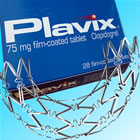
June 12, 2006 -- Today's online rapid access edition of Circulation, the AHA's journal, contains a very important message for heart attack patients who have gotten drug-eluting stents: Be sure to keep taking the antiplatelet medications prescribed, such as clopidogrel (Plavix), ticlopidine (Ticlid) and aspirin, for the full length of time prescribed.
This study found that 1 in 7 patients stopped their meds within 30 days -- a far higher rate of non-compliance than had been previously thought. And those that stopped had a death rate more than 10 times higher than those that kept taking their medications.
The antiplatelet therapy normally consists of a class of drugs known as thienopyridines, clopidogrel (brand name Plavix) or ticlopidine (brand name Ticlid), along with aspirin. Current FDA recommendations for length of drug therapy are 3 months duration if you have a Cordis / Johnson & Johnson Cypher sirolimus-eluting stent and 6 months for the Boston Scientific Taxus paclitaxel-eluting stent, although many cardiologists prescribe the drugs for a year or more.
This study contains an equally important message for cardiologists: if you have a patient who, for financial or other reasons, is not likely to comply with the post-stent drug regimen, then perhaps you should reconsider if a drug-eluting stent is the best solution. Lead author, Dr. John Spertus of the Mid-America Heart Institute in Kansas City, Missouri, told Angioplasty.Org,
"There have been no studies to date that really examined how many patients getting these new devices are stopping their medicines early. I think doctors didn't have much appreciation for how often this happened. I think we need to continue to educate patients...and I think we need to be more selective when deploying drug-eluting stents as cardiologists. There are patients who simply cannot afford the medication and, if you know that up front, then a bare-metal stent might really be the proper choice for those patients."
Reported by Burt Cohen, June 12, 2006 |