|
|




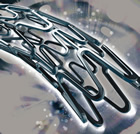
June 27, 2008 (updated with reply from company) -- In a posting today, CNBC's Mike Huckman cites a research note that Boston Scientific (NYSE: BSX) is now bundling its TAXUS paclitaxel-eluting stent for $1,100 each -- less than half of its original price. Huckman's source for his article, Boston Scientific: Hurry To The Pre-4th of July Sale On Stents!?, is FBR Capital Markets' analyst Christopher Warren, who sent out a research note this morning, stating that the company is selling its flagship stent to hospitals, as part of a bundle with defibrillators and ultrasound devices.
However, drug-eluting stent penetration of the U.S. market, which had reached 90%, has dropped into the 60's over the past year, although the device seems to be gaining back some ground slowly. Additionally, the perception exists that the first generation drug-eluting stents, Boston's TAXUS and J&J's CYPHER, may be surpassed in both safety and maneuverability by a new breed of thinner devices. One, the Endeavor by Medtronic, was approved by the FDA in February and has already claimed 20% market share. A second, the XIENCE by Abbott, has passed FDA panel approval and is on board for final approval this year. No doubt the XIENCE will further erode the sales of first generation devices. Boston Scientific, assuming the research report is correct (company spokespeople have not confirmed it) obviously is counting on the cost-savings to hospitals of $1,000 per stent. As for the TAXUS being first generation and older, the company will most likely point to that as an advantage, as does Johnson & Johnson / Cordis when discussing the CYPHER: these devices have been implanted in hundreds of thousands of patients and their safety and efficacy record is well-established, unlike the newer devices. Whether that will be a big sell to interventional cardiologists, who are famous for wanting to try the newest technology around, will soon be seen. Late Update, July 1, 2008: CNBC's Mick Huckman reported today that Boston Scientific spokesperson "Paul Donovan sent me another email last night asking in the subject line, 'What were you smoking?' He took me to task for repeating "an unsubstantiated claim we're (BSX) selling stents for $1,100. We sell stents for about double that, and often more.'" Reported by Burt Cohen of Angioplasty.Org, June 27, 2008 -- updated July 1, 2008 |